
The First Hours That Changed Everything
What do Hemingway, Darwin, and Toni Morrison have in common? They understood that mastering the morning means mastering your craft.
Begin Your Journey
What do Hemingway, Darwin, and Toni Morrison have in common? They understood that mastering the morning means mastering your craft.
Begin Your JourneyFor centuries, the world's most celebrated writers and scientists have guarded their mornings with an almost sacred devotion. Not because they were early risers by nature, but because they discovered something profound: the quality of your first waking hours determines the quality of your life's work.
When Ernest Hemingway sat down to write at first light in his modest Paris apartment, he wasn't following productivity advice from a self-help book. He was tapping into an ancient rhythm that connects the creative mind to its deepest reservoirs of insight and imagination.
The evidence is striking. Charles Darwin took his first walk at exactly 7:45 each morning, returning to his study with renewed clarity. Maya Angelou rose before dawn and checked into a sparse hotel room to write, keeping nothing but a dictionary, a Bible, and a bottle of sherry. Haruki Murakami begins each day at 4 AM and runs ten kilometres before touching his manuscript.

These patterns are not coincidences. Neuroscience has begun to confirm what geniuses instinctively knew: the prefrontal cortex, responsible for complex thinking and creativity, operates at peak capacity in the hours following sleep. Willpower, research suggests, functions like a muscle—strongest in the morning and progressively depleted throughout the day [1].
Recent studies from Cambridge University demonstrate that cognitive performance follows predictable daily patterns. The analytical regions of the brain show measurably higher activity levels during morning hours, while creative and intuitive processing peaks later in the day for most individuals [2].
Yet the most productive creators have learned to harness both peaks. They schedule demanding analytical work—editing, research, structural planning—for the morning hours, reserving afternoons for lighter tasks or deliberate rest.
"After implementing a structured morning routine, I finished my doctoral thesis three months ahead of schedule. The difference was remarkable—it felt like accessing a part of my mind that had been dormant."
— Dr. Fiona McCarthy, Trinity College DublinThe implications extend beyond creative professions. Entrepreneurs, executives, and researchers who protect their morning hours report higher satisfaction with their work and greater progress on meaningful projects. A study published in the Journal of Applied Psychology found that employees who began work with a clear morning ritual demonstrated 23% higher engagement throughout the workday [3].
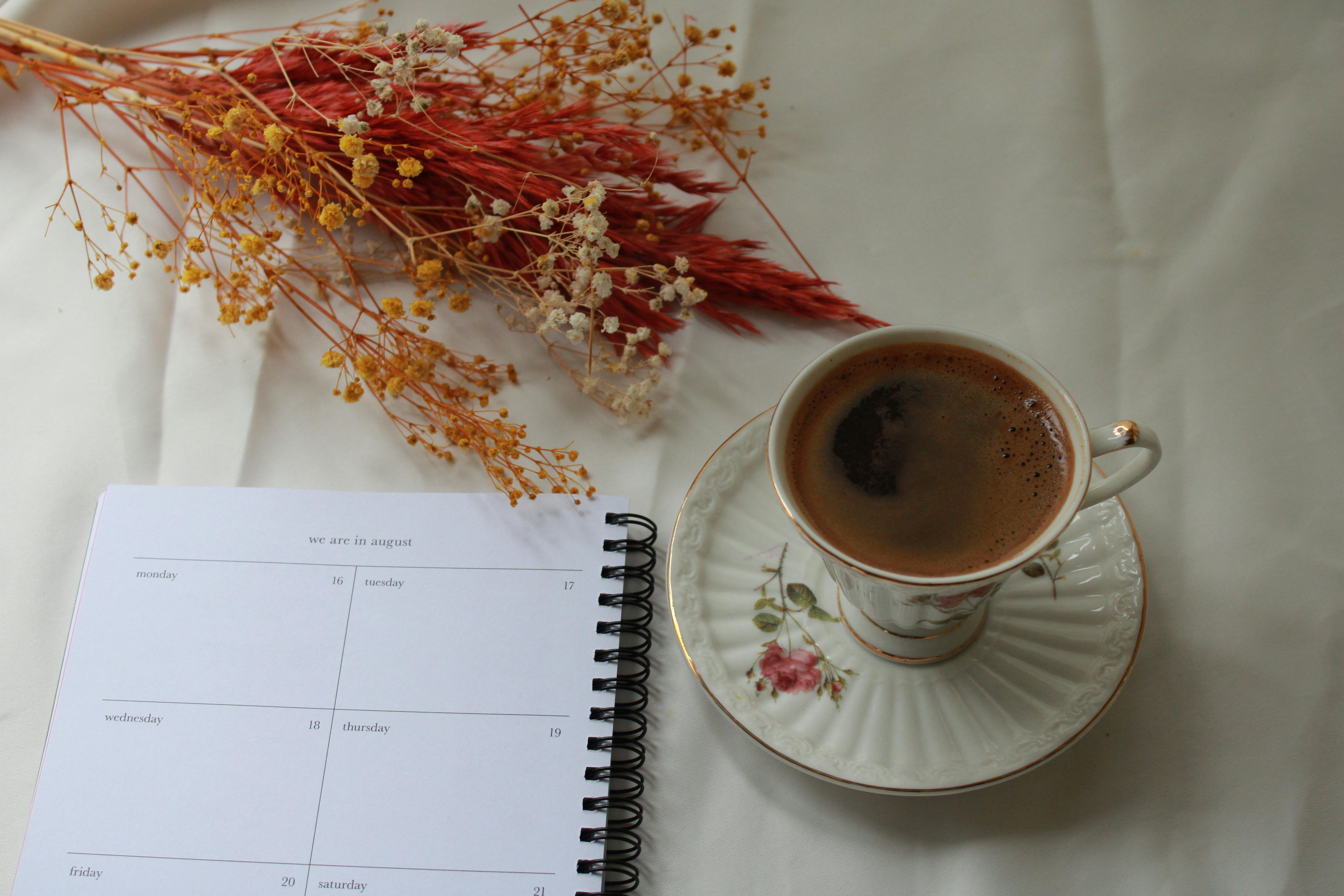
The difference between a productive morning and a transformative one lies not in waking earlier, but in waking with intention. Every genius whose routine has been documented shares three common elements:
What if you could access the same morning clarity that powered the greatest works of literature and science? Not through willpower alone, but through proven frameworks designed by researchers who have studied high performers for decades.
Our programmes bring together chronobiology, behavioural science, and the documented habits of history's most accomplished minds. Whether you're working on a novel, building a business, or pursuing research that matters, the quality of your mornings will determine the quality of your outcomes.

This is not about waking at 5 AM and suffering through cold showers. It's about understanding your unique chronotype and building a morning architecture that serves your deepest creative and professional goals. The transformation begins with clarity—knowing exactly what your first hours should contain.
Discover which programme aligns with your goals and begin the journey to morning mastery.
View All ProgrammesEach programme combines research-backed strategies with personalised guidance to help you build morning routines that endure.

A four-week introduction to chronobiology and habit design. Identify your optimal wake time, eliminate morning friction, and establish your first protected hour.

An eight-week intensive for writers, researchers, and creative professionals. Master the morning deep work session and double your output on meaningful projects.

One-to-one coaching for leaders and entrepreneurs. Redesign your entire morning system with personalised support and accountability over twelve weeks.
A five-day residential programme in the Irish countryside. Immerse yourself in the morning practices of literary masters while completing a significant writing milestone.
"I'd read about morning routines for years but could never make them stick. The Deep Work Architecture programme gave me the frameworks and the accountability I needed. Six months later, I've completed the manuscript that sat unfinished for three years."
— Aoife Brennan, Novelist, Cork"As a startup founder, my mornings were chaos—emails, fires, reactive decisions. The Executive programme helped me reclaim three hours each day for strategic thinking. That shift changed the trajectory of our company."
— Patrick Walsh, Tech Entrepreneur, Dublin"The science behind the programme convinced me, but the results exceeded my expectations. My research productivity has increased by roughly forty percent, and I arrive at the lab already energised."
— Dr. Niamh Gallagher, Research Fellow, GalwaySelect the programme that interests you and share a few details. We'll respond within one business day with next steps.